
Updated 10/12/2026
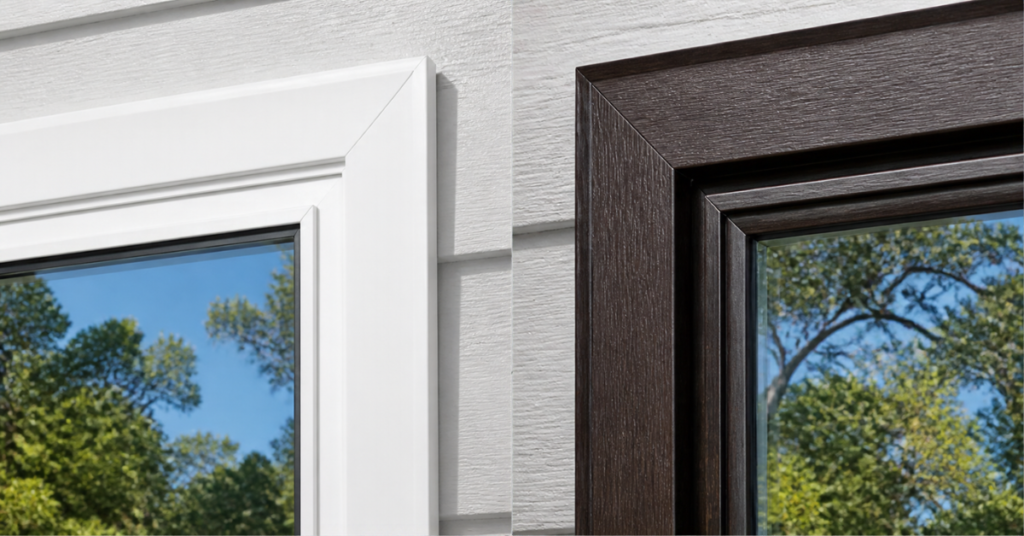
Vinyl windows cost less and need almost no upkeep, which makes them the most popular replacement window in the Houston area. Composite windows cost more but expand and contract less in heat, hold dark colors better, and can look more like wood. For most homes, either one performs well if it has the right glass and is installed correctly. In Houston’s climate, the glass package and the installation matter more to your comfort and electric bill than the frame material.
Master Remodelers is a family-owned remodeling and window replacement company that has served Houston, Pearland, Friendswood, League City, Clear Lake and Galveston since 1998. Here’s how vinyl and composite compare, and how to choose.
Table of Contents
Vinyl vs. Composite at a Glance
|
Vinyl |
Composite |
|
|---|---|---|
|
What it’s made of |
PVC (polyvinyl chloride) |
A blend of materials, usually wood fiber and a polymer resin |
|
Upfront cost |
Lower |
Higher |
|
Upkeep |
No painting; wipe clean |
No painting; wipe clean |
|
Heat stability |
Expands and contracts more; dark colors can be limited |
Expands and contracts less; holds dark colors better |
|
Strength |
Good; frames are usually wider |
Stronger; frames can be thinner, with more glass |
|
Look |
Smooth, mostly white or light colors |
Can look more like painted or stained wood |
|
Rot and insects |
Won’t rot |
Highly resistant |
Vinyl Replacement Windows
Best for: homeowners who want good performance at the lowest cost, and homes with white or light-colored trim.
Vinyl frames are made from PVC, with hollow chambers inside that help insulate. They never need painting, won’t rot, and clean up with soap and water. Today’s better vinyl windows have welded corners, reinforced frames and quality weatherstripping, and there is a wide range of quality between budget and premium lines.
Things to know in Houston: vinyl expands and contracts more than other frame materials as temperatures change. That’s why many manufacturers limit dark exterior colors on vinyl, especially on walls that get full afternoon sun. If you want black or bronze frames, ask what the manufacturer allows on a west-facing wall.
Composite Replacement Windows
Best for: homeowners who want dark frame colors, a wood-like look, slimmer frames, or a premium window for a home they plan to stay in long term.
Composite frames combine materials, most often wood fiber with a polymer resin, to get the strength of wood without the rot. They expand and contract less than vinyl in heat, which helps seals and finishes last, and they can be made with thinner frames that let in more light. Many composite lines come in dark exterior colors and wood-look interiors.
Things to know: composite costs more than vinyl, and the word “composite” covers different products from different manufacturers, so compare specific product lines, not just the material.
What About Fiberglass and Aluminum?
- Fiberglass is another premium option. It is very strong and barely expands in heat, so it holds paint and dark colors well. It costs about the same as or more than composite.
- Aluminum is strong and slim but conducts heat, so standard aluminum frames are a poor choice for energy efficiency in Houston. Aluminum is still common in some impact window lines and commercial buildings.
The Glass Matters More Than the Frame in Houston
In a hot, sunny climate, most of the heat that comes through a window comes through the glass. Whatever frame you choose, look for:
- Low-E glass, which has a thin coating that reflects much of the sun’s heat while letting in daylight.
- A low Solar Heat Gain Coefficient (SHGC). This number, on the NFRC label, shows how much of the sun’s heat gets through. Lower is better in Houston.
- A low U-factor, which shows how well the window keeps heat from moving through it.
- ENERGY STAR certification for the Southern zone, which covers the Houston area. Under ENERGY STAR version 7.0, Southern-zone windows need a U-factor of 0.32 or lower and an SHGC of 0.23 or lower.
For homes in Galveston, League City and other coastal areas, consider hurricane impact windows, which use laminated glass that stays in the frame if it breaks. Homes in the TWIA coverage area also need windstorm-certified installation.
Installation Makes or Breaks Any Window
A premium window installed poorly will leak air and water, and a good vinyl window installed well can perform for decades. A proper installation includes:
- Exact measurements for every opening
- Checking the existing frame for rot or water damage before the new window goes in
- Flashing and sealing to keep Gulf Coast rain out of the wall
- Insulating the gap between the window and the rough opening
- Matching trim and caulk inside and out
Master Remodelers measures every window, checks the frames and handles the installation from start to finish.
How to Choose: Vinyl or Composite?
Choose vinyl if:
- Keeping the cost down is the priority
- You want white or light-colored frames
- You plan to sell in the next several years
Choose composite if:
- You want black, bronze or other dark exterior frames
- You want a wood-like look, or slimmer frames with more glass
- You plan to stay in the home long term
We’ll show you both options side by side, with prices, during your free window estimate.
Window Brands We Install
We have skilled contractors that are experienced and certified to install various high quality window brands including but not limited to:
- Pella & HurricaneShield
- Renewal by Andersen & Coastal
- Wincore & StormForce
- Jeld-Wen & ImpactGard
- Marvin & Coastline
- Simonton & Coastal StormBreaker Windows
- Fibrex
Why Homeowners Choose Master Remodelers for Replacement Windows
- Family owned and operated since 1998, led by President Donald “Don” Borden.
- Rated A+ by the BBB, and winner of the Pulse of the City Award in 2025 and 2026.
- Free, no-obligation window estimates with both standard and impact options explained.
- Licensed and insured
- Financing for all credit types, including 0% options for qualified buyers.
Frequently Asked Questions
Neither is better for every home. Vinyl costs less and needs almost no upkeep, which makes it the best value for most homes. Composite costs more but is stronger, expands less in heat, holds dark colors better and can look more like wood.
Yes, quality vinyl windows perform well in Texas heat, especially in white or light colors. Vinyl expands and contracts more than composite or fiberglass, so many manufacturers limit dark exterior colors on vinyl, particularly on walls that get strong afternoon sun.
Composite windows are usually worth the extra cost if you want dark exterior colors, a wood-like look or slimmer frames, or if you plan to stay in the home long term. If cost is the priority and you want white frames, quality vinyl is usually the better value.
Composite frames are usually made from wood fiber blended with a polymer resin, while fiberglass frames are made from glass fibers and resin. Both are stronger and more heat-stable than vinyl and both cost more. Fiberglass expands the least of any common frame material.
The glass matters most. In Houston’s hot, sunny climate, most heat comes through the glass, so look for Low-E glass with a low Solar Heat Gain Coefficient and ENERGY STAR certification for the Southern zone. Proper installation and sealing matter as much as the frame material.
The manufacturer’s warranty is a good guide, so compare warranties when you compare quotes.
Get a Free Window Estimate
Related: Patio Covers · Outdoor Kitchens · Windows · Kitchen Remodeling · Garage Conversions · Roofing and Siding