
Updated 10/17/2026
The best ways to expand your living space are to convert space you already have, like an attic or garage, or to build new space with a room addition, a second story, a sunroom or an outdoor room. Converting existing space usually costs less because the walls and roof are already there. Building new space gives you the most flexibility. In the Houston area, where homes don’t have basements, “building up” with a second story or a room over the garage takes the place of finishing a basement.
Master Remodelers is a family-owned remodeling company that has served Houston, Pearland, Friendswood, League City, Clear Lake and Galveston since 1998. Here are eight ways our clients make room for a growing family, a home office or aging parents without leaving the neighborhood they love.
Table of Contents
The 8 Options at a Glance
Option | Uses existing space? | Best for |
|---|---|---|
1. Room addition | No, new space | A family room, bedroom or office designed from scratch |
2. Second story | No, new space | Major square footage on a small lot |
3. Attic conversion | Yes | A bedroom, office or playroom |
4. Kitchen expansion | Partly | A bigger kitchen and space to gather |
5. Sunroom | No, new space | A bright sitting or dining room |
6. Room over the garage | No, new space | A guest suite, office or bonus room |
7. Outdoor living space | Outdoor | Entertaining and family time outdoors |
8. Garage conversion | Yes | A guest suite, gym, studio or office |
1. Build a Room Addition
A room addition adds new square footage on the ground floor: a family room, bedroom, home office, playroom or library. A well-designed room addition looks like it was always part of the house.
Tips for a seamless addition:
- Match the outside. Use the same or complementary brick, siding, roofing and window style.
- Plan the layout and light. Think about how you’ll walk into the new room, where the windows face and how much afternoon sun it will get.
- Tie into your HVAC. Make sure your system can cool the extra space in a Houston summer, or plan a separate system for it.

Need just a little more room? A bump-out addition extends one room by a few feet. Compare all the options in our guide to 7 home additions that add space and value.
2. Build Up With a Second Story (Houston’s Answer to a Basement)
In many parts of the country, homeowners gain space by finishing the basement. Houston-area homes almost never have basements: the water table is high, the clay soil shifts, and flooding is a real risk, so most homes sit on slab foundations. Here, the way to add a lot of space without giving up your yard is to build up.
A second story addition can add several bedrooms, a game room or a primary suite on the same footprint. It’s a strong choice for smaller lots, homes with deed-restricted setbacks, and families who want to keep their backyard.
Before you build up:
- Have a structural engineer check the house. The foundation and walls must be able to carry a second floor, and some homes need reinforcement.
- Plan the staircase. It takes floor space on the first level, so plan where it goes early.
- Check floodplain rules. If your home is in a mapped floodplain, your city may have extra requirements for major additions.
3. Convert Your Attic
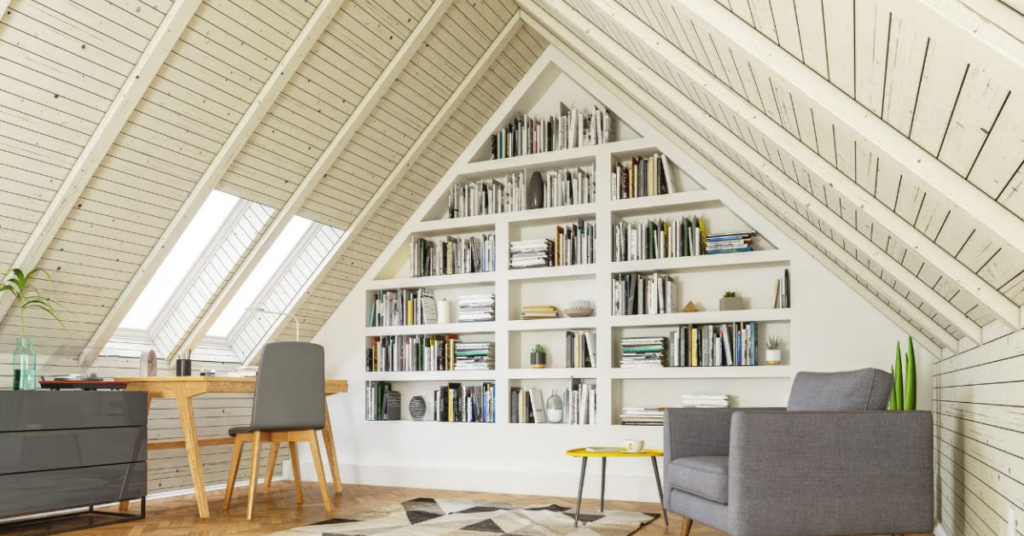
If your attic has enough height, it can become a bedroom, home office, playroom or reading room without changing your home’s footprint. Learn more about attic conversions.
What an attic conversion needs:
- Enough headroom. Under the residential code most Houston-area cities use, at least half of a room’s required floor area needs a ceiling height of 7 feet, and areas under 5 feet don’t count toward the room’s size. Your city may have its own amendments.
- Real stairs. A living space needs a permanent staircase, not a pull-down ladder.
- Insulation and cooling. Houston attics get extremely hot. Plan for insulation in the roofline and a dedicated cooling option, such as a ductless mini-split.
- Light and a way out. Skylights or dormers bring in daylight. A bedroom also needs an emergency escape window.
- Built-ins for sloped walls. Shelves, drawers and window seats use the low spaces under the roof.
4. Expand Your Kitchen
The kitchen is where families gather, so making it bigger often makes the whole house feel bigger. A kitchen remodel can gain space in a few ways:
- Remove a wall to open the kitchen to the living or dining room. A structural check tells you whether the wall is load-bearing.
- Bump out an exterior wall for a breakfast nook or a larger island.
- Borrow unused space, like a formal dining room, pantry or laundry room.
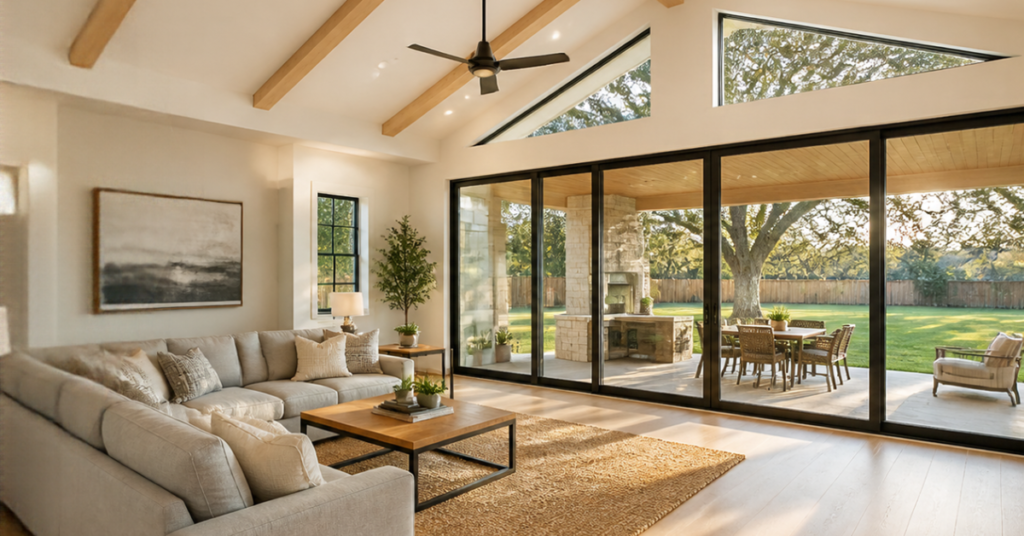
- Open to the patio with large sliding or folding glass doors, so cooking and entertaining flow outdoors.
5. Add a Sunroom
A sunroom brings in natural light and views of the yard, and works well as a sitting room, playroom or casual dining space.
In Houston’s climate:
- Choose Low-E, insulated glass so the room doesn’t overheat in summer.
- Plan for cooling. A sunroom tied into your HVAC, or with its own mini-split, can be used most of the year. One without cooling is mainly a spring and fall room.
- Consider a shade structure or covered roof on west-facing walls.
6. Build a Room Over the Garage
The space above an attached garage can become a guest suite, office, game room or bonus room. Because the garage is already there, building above it can avoid pouring a new foundation for the room itself.
Pro tips:
- Confirm the garage can carry the load. A structural engineer may call for stronger walls, beams or footings.
- Insulate and soundproof the floor to keep garage noise, fumes and heat out.
- Plan the access. A stair from inside the house is most convenient; an outside stair gives a guest suite more privacy.
A room over the garage also makes a great in-law suite for parents or adult children.
7. Extend Your Outdoor Living Space
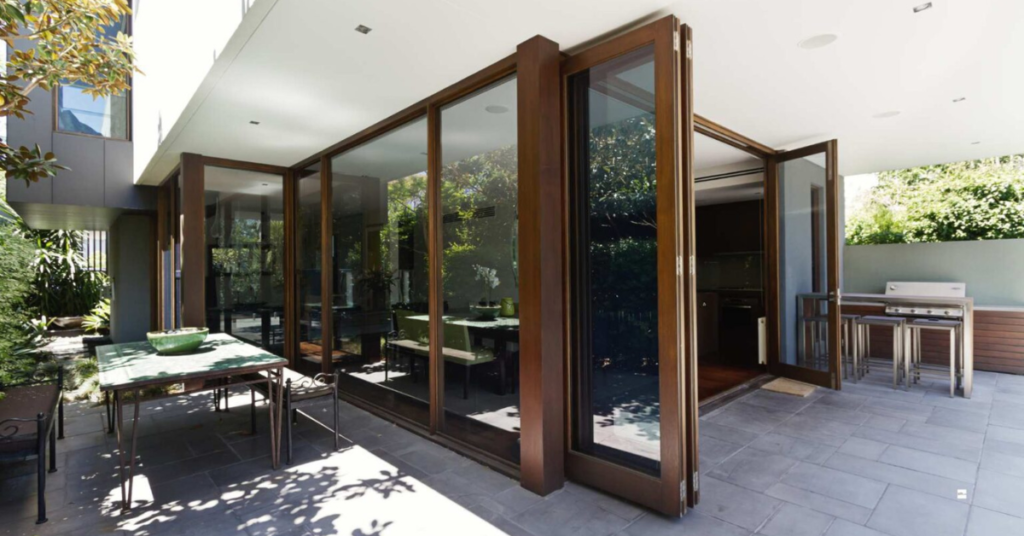
In the Houston area, a well-designed outdoor room can be used much of the year and acts like an extra living room.
- Covered patios and porches give you shade and rain protection.
- Outdoor kitchens with a built-in grill, refrigerator, ice maker and bar seating.
- Ceiling fans, lighting, outlets and TV mounts make the space comfortable day and night.
- Folding or sliding glass doors connect the indoor and outdoor rooms.
Choose weather-resistant materials and finishes that stand up to Gulf Coast humidity, heat and storms.
8. Convert Your Garage
A garage conversion turns space you already have into a guest suite, home gym, studio, office or playroom, usually for less than building new.
Things to plan for:
- Raise and insulate the floor, and insulate the walls and ceiling.
- Add cooling, often a ductless mini-split.
- Replace the garage door with a wall, windows or doors that match the house.
- Plan for parking. Check your HOA or deed restrictions, which sometimes require covered parking.
- Renting it out? If you’re thinking of a garage apartment for income, check your city’s rules and your deed restrictions first.
Before You Start: 4 Steps to Plan Your Expansion
- Decide how you’ll use the space, now and in 10 years. A playroom today may need to be a bedroom or an office later.
- Check permits, zoning and deed restrictions. The City of Houston has no zoning, but many neighborhoods have deed restrictions and HOA rules. Pearland, League City, Friendswood and most other nearby cities do have zoning. A good contractor pulls permits and schedules inspections for you.
- Set a budget with a cushion for surprises, and look at ways to finance a remodel.
- Work with an experienced design-build team that handles design, engineering, permits and construction.
Why Houston Homeowners Choose Master Remodelers
- Family owned and operated since 1998, led by President Donald “Don” Borden.
- Rated A+ by the BBB, and winner of the Pulse of the City Award in 2025 and 2026.
- Licensed and insured.
- Free, detailed estimates that cover materials, labor and timeline, after an in-person or phone consultation.
- Additions, conversions and outdoor living under one roof, so one team handles the whole project.
Frequently Asked Questions
Convert space you already have. Attics and garages can become bedrooms, offices, playrooms or guest suites without changing your home’s footprint. You can also gain usable space by opening walls between rooms or by adding a covered outdoor room.
Most Houston-area homes are built on slab foundations because the water table is high, the clay soil shrinks and swells, and flooding is a risk. Instead of finishing a basement, Houston homeowners usually gain space by converting an attic or garage, building a second story or adding a room over the garage.
Often, yes, if there is enough headroom. Under the residential code most Houston-area cities use, at least half of the room’s required floor area needs a 7-foot ceiling. A bedroom also needs permanent stairs, an emergency escape window, insulation and cooling. A contractor can measure your attic and tell you what’s possible.
It can be, because the garage is already there and you may not need a new foundation for the room. The garage walls and footings must be able to carry the weight, though, and some need reinforcement. A structural check and a written estimate will show which option costs less for your home.
Yes. Room additions, second stories, attic and garage conversions, and most major remodels need building permits and inspections. The City of Houston has no zoning, but deed restrictions and HOA rules may apply, and most nearby cities, including Pearland, League City and Friendswood, have zoning rules.
Every home is different, so we give a free, detailed estimate after seeing your space.
Ready to Make More Room?
Related: Patio Covers · Outdoor Kitchens · Windows · Kitchen Remodeling · Garage Conversions · Roofing and Siding